
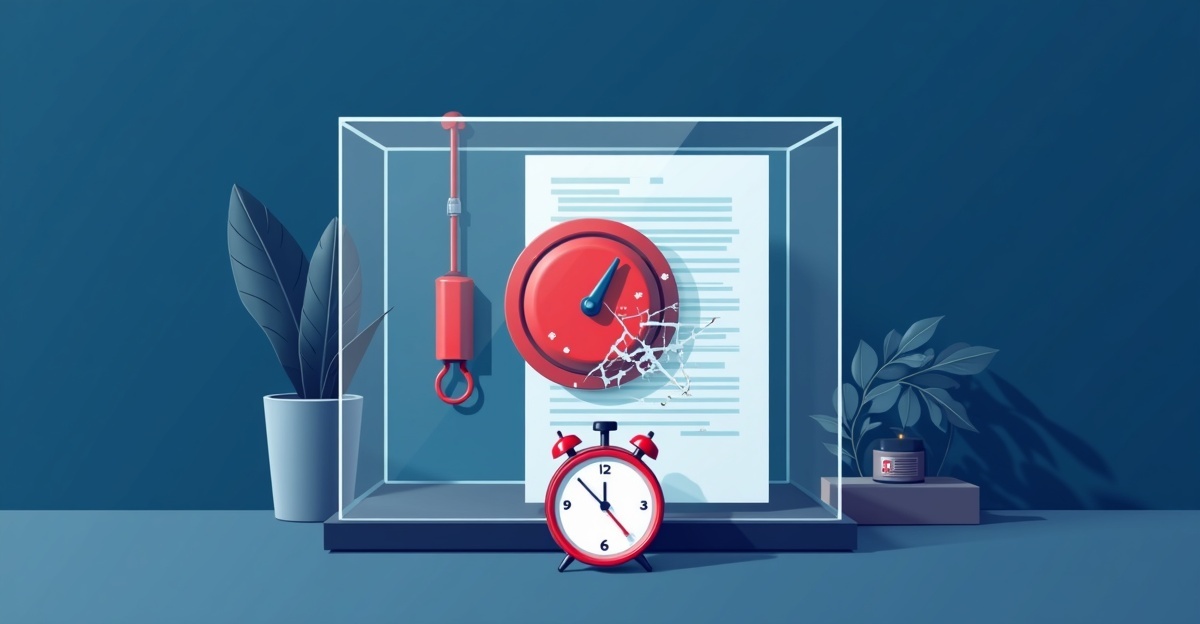

How to pressure-test a vendor's incident response before signing

Miles Feinberg
Every vendor's proposal says they have a world-class incident response process. The question is whether you will find out the truth before or after you sign.
Here is what happens in most vendor selections: the buyer reviews the proposal, checks the SLA language, maybe asks a follow-up question during the finalist presentation, and then moves on. The incident response section gets a green checkmark because it looks comprehensive on paper.
Six months later, at 2 AM on a Sunday, when the production database goes sideways, that is when you discover the gap between the slide deck and the actual response posture. By then it is too late.
The fix is simple, and almost nobody does it: run a tabletop scenario during the evaluation phase.
What a tabletop exercise looks like in vendor selection
A tabletop is a hypothetical incident scenario you walk through with the vendor's proposed delivery team, not the sales team. You describe a specific situation, and they explain how they would respond in real time. Think of it as a flight simulator for their incident response process.
The key word is specific. Vague scenarios like "tell me about your incident response process" get you rehearsed answers. Specific scenarios force the team to think on their feet.
A sample scenario you can adapt
Here is one we have seen produce the most honest responses:
"It is Friday at 4:45 PM. Your monitoring system alerts you that our primary file server is unresponsive. Three department heads are on a Zoom call with a client and cannot access shared documents. Walk me through the next 60 minutes, minute by minute."
Give them this scenario during the finalist presentation or a follow-up technical call. Ask the delivery lead, not the account executive, to walk through it. Take notes.
What to listen for
Green flags:
They name specific roles and escalation paths immediately. "Our NOC picks up the alert within 5 minutes, a tier-2 engineer is assigned within 15, and you get a status update at the 30-minute mark." They reference their actual monitoring stack by name. They acknowledge the difference between a P2 and a P1 and explain which classification this would be. They mention a post-incident review process without being asked.
Red flags:
They default to SLA language instead of operational specifics. "We would respond within our contracted timeframe." They cannot name who would actually be on the call. They describe a process that sounds like it was written for the proposal, not one they have actually rehearsed. They have no answer for "what happens if the assigned engineer is unavailable?"
The question that separates real from rehearsed
After they walk through the scenario, ask this: "Can you show me the incident report from a real outage in the last 90 days, with client-identifying details redacted?"
A vendor who runs regular incident response drills will have these on hand. A vendor who relies on their proposal language will not. This single request tells you more than an hour of presentation slides.
When to run this in the selection timeline
Save the tabletop for your finalist round, when you are down to two or three vendors. It requires 30 to 45 minutes of the vendor's senior technical staff, and you do not want to burn that goodwill on vendors you are not serious about.
Frame it as a collaborative exercise, not a test. "We want to make sure we understand how the handoff works so we can be good partners on our side." Vendors who are confident in their process will lean into this. Vendors who are not will find a reason to reschedule.
Most vendor evaluations test the proposal. Very few test the people who will actually show up at 2 AM. The tabletop exercise is the simplest way to close that gap, and it costs nothing to run.
If you want a second set of eyes on the responses you are getting, ITBluPrint runs structured vendor evaluation sessions that include tabletop scenarios. We have run enough of these to know what separates real capability from polished proposals. Book a free 30-minute assessment.